The Patient Choice Act – Providing Choice Instead of Death

PatientChoiceActI suppose I never truly realized how little choice we have individually with respect to selecting the drugs and treatments we as Americans pursue for own health. This never personally impacted me until the diagnosis of my two year old daughter with an inoperable and terminal brain tumor known as DIPG. Imagine for a minute that you are sitting in a cramped room with a social worker and an oncologist who is quickly and impatiently advising you that your two year old has terminal brain cancer. Sitting less than twenty feet from you watching her favorite shows is your daughter in a hospital bed. 16498279_sYou have no understanding of what a clinical trial is or how to participate. You have no understanding of how to select a treatment. You are left bewildered, reeling and devastated.

As time went by during my daughter Alexis’ long thirty-three month battle, we found out that her tumor was growing. As we scrambled to once again research the available treatment options and review clinical trial data, we found ourselves in Manhattan seeking to gain enrollment for Alexis in what looked to be a potentially promising trial. Following a complete day of blood tests, physicals and the review of a recent MRI scan, we were told that Alexis was ineligible for the specific drug due to what one doctor interpreted on her MRI. The news that Alexis could not participate in this trial did not sit well with us and we explored options to obtain the drug. What we found was a difficult set of regulatory and practical obstacles that would have taken months at best to potentially overcome. As we quickly shifted gears yet again, we were able to locate a single opening in a clinical trial at CHOP in Philadelphia. Ultimately, this drug proved of no benefit after little over a month and we were left to fight to try another treatment. I use this story to illustrate the desperate nature of trying to save a loved one with a terminal or life threatening disease or illness. We were willing to try anything if we believed that it had little possibility of negatively impacting Alexis’ overall quality of life at each given stage, HR2090_edited-2and if we thought it would have some efficacy.

As it stands, the regulatory scheme and legislative framework created by the FDA and congress preclude individuals and families from making conscious choices in the selection and use of drugs for serious and life threatening illnesses. Although there are certain measures in place such as compassionate use, in reality and practice they provide little to no real life access to treatments outside of trials or previously approved FDA drugs. There is however a simple and effective solution that would change this entire quagmire that seals the fate of so many millions of Americans on a yearly basis. That solution is the Patient Choice Act. I personally believe this is one of the most critical pieces of legislation that will be presented before congress this year for the childhood cancer community and beyond. Initially introduced during last congress in 2012 it did not proceed any further. It is set to be reintroduced again shortly. The Patient Choice Act is quite simple in reality and has numerous immediate benefits.

As a patient or family facing a life threatening or terminal illness, you would have the ability to obtain drugs that have already been in phase I and II trials with established safety profiles. These are drugs or treatments that are currently being investigated for potential full approval by the FDA. This provisional approval for the drug or treatment would allow additional data to be gathered as well as allow individuals to take complete responsibility for the selection of a drug or treatment. Through strongly written consent forms, the patient or family would be counseled regarding the risks associated with utilizing a drug or treatment that is currently in clinical trial testing phases and not fully approved. Of course the patient or family remains ultimately responsible for the cost associated with utilizing the drug if insurance provides no coverage.

The benefit to industry, i.e., the pharmaceutical company, biotech firm or drug manufacturer is quite clear. Instead of struggling to complete a full approval that may take ten to twelve years, as well as funding the astronomical amount of money it takes to bring a drug to market, the sponsoring company would be able to immediately access a funding source for the drug, which ultimately would have the effect of lowering the amount that needs to be expended to bring the drug beyond the trials and to the market. The drug sponsor still needs to complete full approval steps before the FDA even though the drug is provisionally approved. Our current system has the effect of pushing smaller biotech companies and drug manufactures either completely out of business or out of this country with a loss of significant tax revenue and jobs. In addition, millions of Americans continue to die without potential treatments or cures. In the end, it is about choice and freedom to be able to take control of your own individual treatment. This may all be a little bit of an oversimplification, but in the end, it is not much more complicated than this.

WhatifRewind back to our efforts to save Alexis. We will never know whether the drugs we were not afforded access to could have helped Alexis. This is a heavy burden shouldered in two simple words, “what if.” This piece of legislation is simply about creating an alternative access stream to drugs and treatments for people with little to no hope. It is about creating hope in and of itself in a society that preaches taking control of our own destinies and personal accountability.

Before this bill is reintroduced again, I would urge everyone to call, write or email their congressperson and strongly ask that they act as a co-sponsor. At the end of the day, it is about the choices we as Americans expect. The choice is and should be yours.

Author: Jonathan Agin

Related Stories:

Morethan

We need more than just Research by Beth Anne Baber  A story of similar conclusions derived from professional and personal experiences.

Posted in Cancer, Childhood Cancer, Pediatric Cancer, Rare Disease, Uncategorized | Tagged , , | 2 Comments

We need more than just research

MorethanA mother noticed that her six year-old son’s eyelids were not closing normally and when he walked, he was slightly off balance.  A few days later, his parents’ worst nightmare became a reality; they were told that their son has a brain tumor. His diagnosis did not come easy. Various pathologists could not give a definitive answer as to the type of cancer much less its Grade (I-IV). The eventual final diagnosis came from one of the world’s leading authorities on brain tumors. It was an Anaplastic Astrocytoma (Grade III), the most common type of brain tumor in children between the ages of 5 and 9 years old. The child took a series of radiation therapies and chemotherapy agents. He appeared to respond well to some treatments, but it was  short-lived.

Finally, after searching and searching, a possible cure was located. There was a drug that had shown early evidence in adult trials to be effective.   The drug had appeared to be effective at stopping the activity of a gene that was responsible for driving the growth of certain tumors, including this child’s tumor.  There was one major problem. While the drug was the final possibility, it was withheld from him.  There were no remaining spaces available for him in the phase I pediatric trial and the pharmaceutical company would not allow the child access to their drug under the FDA’s Expanded Access Compassionate Use program that is available for patients desperately seeking a last chance for survival.

According to the FDA, expanded access – sometimes called “compassionate use” – is the use of an investigational drug outside of a clinical trial to treat a patient with a serious or immediately life-threatening disease or condition who has no comparable or satisfactory alternative treatment options. FDA regulations allow access to investigational drugs for treatment purposes on a case-by-case basis for an patient with similar treatment needs who otherwise do not qualify to participate in a clinical trial. The investigational drug may be effective in the treatment of the condition, or it may not. They also may have unexpected serious side effects – a risk the child’s parents were willing to take.

So, is there a “bad guy” in this child’s story, someone wearing a black hat, that we can point fingers at and add a heap of blame?  Not really. The pharmaceutical company stipulated their policy of not permitting expanded access to drugs undergoing clinical trials for compassionate use, regardless of the circumstances of any patient seeking it. Likewise, the FDA does not permit expanded access to Phase I trials. The business and medical reasons for denying the child access to the investigational drug are deemed as rational and prudent. The drug is not yet proven to be safe and non-toxic in children. Its efficacy in curing targeted cancers is still be determined, even if it passes through Phase I testing. And yet, this logic still begs the question: what does anyone, including this child, have to lose? Per this child’s father, “I suppose that I understand why pharmaceutical companies and the FDA will not allow my son access to the trials for statistical integrity, risk, and even business development reasons. Yet, I am here offering my son as our last hope, but also as a test-subject opportunity for this pharmaceutical company to hopefully develop a treatment for this disease with no current cure whatsoever. If my son cannot be saved, maybe he can save other kids in the future.  Is that too much to ask?”

Were there any other possibilities for this child, specifically for his type of cancer? The answer is no and the reason is that few, if any treatments reach clinical trials for children’s cancer. Cures for childhood, adolescent, and young adult cancers are basically side bets.  They are not the driving force behind drugs such as this one.

Frustration is growing for parents who witness a culture where, generally, promising discoveries not only reach dead ends, but, typically never  get consideration for advanced studies. The current system (honors, grants, and tenure), of academia, the NIH, and most foundations,  continues to reward basic discovery research, not the ensuing requirements needed to shuttle potential breakthroughs into  new diagnostics and drugs.

“Things need to change at both the NIH and foundations that fund research. The funding of just research, while appearing as major steps forward, is not sufficiently helping the advancement of cures for kids like my son. I appreciate the work being accomplished, but when are we going to see some real returns for all the hundreds of millions of dollars spent?” the young boy’s father goes on to ask,  “Why do parents have to go begging  researchers to help their kids,  rather than physicians armed and ready with cures?”bounceballauthor

Author: Beth Anne Baber

Related Stories:

PatientChoiceActThe Patient Choice Act – Providing Choice Instead of Death by Jonathan Agin A story about proposed new legislation that will enable a parent to choose a new treatment not yet approved for use.

Posted in Cancer, Childhood Cancer, Pediatric Cancer, Rare Disease, Uncategorized | Tagged , , , , , , , | 1 Comment

Epilogue -Childhood Cancer, My Road Map Series

Epilogue

Five weeks ago I set out to create what I think is part of the road map for the issues facing the fight against childhood cancer, and the areas I feel could provide gains on this road. The truth is, nobody has all the answers, least of which would be me. I do know however that the manner in which we as a country have been attacking the problem is not working. Cancer still takes kids from their families on a daily, weekly and yearly basis and the incidence rates are not lessening. That is unacceptable. The truth is that we have failed as a country to take the steps necessary to ensure that this battle against childhood cancer, or any cancer for that matter, is won. The previous four pieces were meant to make people think. They were meant to engage and more importantly, they were meant to provide people who want to engage but do not know how the ability to do so with some simple action items. Ultimately, it is easier said than done.

What this battle will take to win is a dramatic shift in the way that childhood cancer is seen and understood and frankly monetized for research purposes. Mainly I have focused on the federal front. I chose to do so because I personally believe that our federal government has placed the battle against childhood cancer very low on the list of disease priorities. There is so little sense of urgency at this juncture and we continue to look through the same blinders that have lead us down this rabbit hole without a cure. In general, there have been no cures found for any single disease in a very long time. We must see this and the manner in which we treat childhood cancer as an overall failure.

What I hope that people who have read my four part series take away is that the road to the end of the map begins with small steps. It begins with simple efforts by people who are impacted by the disease and by those who learn about childhood cancer along the way. I am now more than ever, since I unfortunately entered this world with the diagnosis of my daughter Alexis five years ago, filled with a sense of optimism that the groundwork is present to walk along the road map. Taking small steps, such as writing letters, using social media, calling our members of congress, talking to our friends and simply engaging with people about childhood cancer is such a significant move along this road. Does this get us to a universal cure for all of the many different types of childhood cancer? I do not frankly know. Looking back upon the four part series, I think that each part of the road map has as its aim to move us further towards a time when we are better equipped to find cures and real treatments. Each part taken individually provides action items that are achievable. Of course, there is much more to be done.

In the end, I have never cared who finds cures for the various forms of childhood cancer. I have never cared where they come from. I have never thought it was important for those in the battle against the disease to seek personal accomplishments and accolades along the way. I have simply believed that it is important to just find cures and treatments. Whether or not my thoughts, opinions and ideas put us any further along the path to that magical word “cure,” it is yet to be seen. I hope that everyone who has read my series has been given some food for thought. There is an equal chance that the past four pieces have simply been nothing more than the random and unorganized thoughts of a grieving father.

The series truly is not over though until every child diagnosed with cancer has a cure available. That is when I can stop writing about childhood cancer and figure something else out to devote my waking energy.

The end……. (of this series at least).

Author: Jonathan Agin

bounceballauthor

Posted in Cancer, Childhood Cancer, Pediatric Cancer, Rare Disease, Uncategorized | Tagged , , | Leave a comment

Bringing Us All Together – Part 4

Bringing

From my earliest entree into blogging in my daughter Alexis’ journal, I learned quickly that the childhood cancer community was a very disorganized and dis-unified group of entities and individuals who all had the same ultimate goal: a cure. I always wondered why there was such a disconnect among the different foundations and individuals who made up the ranks of the childhood cancer community. causebracelets4I have since learned that the answers are not so simple, and I appreciate this fact. I certainly am not critical of any organization or individual. Since those early days in 2008 and 2009 I have witnessed a change in this overall picture, and I am happy that it does seem to be shifting towards more unity in the community as a whole. That of course is the good news. The bad news is that we have a long way to go if we are to have the same impact as our big brothers and sisters in the adult cancer populations.

Childhood cancer can learn a significant lesson from the more well organized pink-ribbocommunities such as the breast cancer and lung cancer movements. These communities have been so successful at raising awareness, generating money and utilizing a well organized lobby for pointed and directed legislative agendas. The organizations leading the charge for these specific diseases, although having their own individual missions and methods, have elevated the individual causes into the common parlance of all of our minds as well as in the halls of Congress. Of course this did not and cannot happen overnight. So, how do we achieve this type of collective unity? I believe it happens by identifying common ground, seeking to achieve small successes along the way to larger victories and then looking beyond our shores to globalize the priorities for children with cancer. (International unity and approaches will be the subject of another blog entry as it is far too vast to cover here.)

That which unites us is larger than that which divides. This clear statement is and should be the basis of our ability to find common ground to stand upon. Unfortunately, far too often the childhood cancer community has attempted to proceed without a clear agenda. Simply stating that we need more money for research or suggesting that we need more awareness are ultimately not strategically sufficient to provide a cogent road map towards these aims. I think we can all agree, at least those of us who make it their mission to fight against childhood cancer, that more money and more awareness are goals that need to be achieved. With that stated, are these really in and of themselves viable platforms that provide the best ground for unification? I do not believe they are in such an amorphous concept. If you break down the first part, more money for research, and then you start thinking about the manners and methods to achieve this goal, then we can find certain common ground to act in concert.

For instance, I have been a vocal opponent of the budget allocation for the National Cancer Institute. It significantly underfunds childhood cancer as a whole. We as a community can work towards making this fact known and highlighting the individuals who are responsible for this problem. Through grassroots efforts such as writing to our members of Congress, writing letters to Harold Varmus, M.D., at NCI, and using your own social media outlets, we can raise the profile of the issue. Simple, indeed. Effective, yes, to an extent. Small gains that provide us with ground as a united community will ultimately allow us to be a factor in the war on childhood cancer. And more importantly, such small approaches open the door to larger efforts.

Collaborative research funding must trump individual institutional funding with no controls on the money. I understand that each and every foundation is entitled to ultimately control their own destiny. With that comes the ability to make donations in the name of research to various investigators or institutions. However, I personally do not believe that this is the best approach. At the upcoming DIPG Symposium in Cincinnati, Ohio May 2-4, I will be moderating a panel with several leading experts on DIPG discussing the benefits to collaboration. Inherent in this discussion will be the fact that we can achieve greater gains in research through multi-disciplinary approaches across institutional lines. And that is where cooperation and collaboration among foundations and childhood cancer advocates comes into play. Through these types of collaborative efforts, foundations that may not be able to effectively fund research or that may not have a medical advisory board in place are able to have greater control of their own money in terms of the end user. In addition, it is always stressed that by uniting, there is no loss of identity for the individual foundation; rather, there is a larger opportunity to grow that individual foundation’s voice by gaining additional exposure among its peers. The individual partnering members for this specific collaborative all have some variances to their specific missions. And that is what makes it great because we draw upon the individual experiences and expertise to view the problem of funding the best and most viable research together as a unified collective rather than a diffuse group of small fiefdoms shooting at the same target with smaller ammunition. As a community we must identify common goals and move beyond individual approaches to raise a much larger voice.

roundtableTo bring this altogether, I believe that the community could benefit from a round table meeting, face to face, to determine where the overlaps are among the players and create an agenda that is not only palatable, but more importantly, actionable. This will never replace the individual goals and missions of each specific organization. That is not the point frankly. Many families start foundations as a way to honor their child and create a lasting legacy. My wife and I considered this route frankly. The goal is not to all roll together as one large group. Rather, the goal is to locate the areas of common ground and work towards these small yet viable “asks” in an overall effort to move the ball ahead. Maybe we will not be able to find common ground. I frankly do not know. It is worth a shot. A true agenda with actualized and achievable goals needs to be crafted. We must put politics aside and focus on achievement.

In the end, the thought of unity, and more importantly action from a collective approach is easier said than done. I have said all along, I do not have all of the answers. In this four part series I have simply tried to provide the readers and the community with food for thought. Nothing more, nothing less. I do know this, something has to change to overcome the stagnant quagmire that we find ourselves in on the federal level with childhood cancer. The message that is sent to Congress by NCI and Dr. Varmus is dangerous and costly for our children. So, if we as a country are not willing to take the necessary action, we as a community must take the action to the country.

Join me next week as I wrap up the entire series with my closing thoughts on this road map.

Author: Jonathan Agin

bounceballauthor

Part I: Click Here

Part II: Click Here

Part III: Click Here

Related Article: Unity  blogUnity2Written by an amazing  17 year old high school student who has been involved with volunteering at hospitals and dealing with the children of our childhood cancer community for several years.

Posted in Cancer, Childhood Cancer, Pediatric Cancer, Rare Disease, Uncategorized | Tagged , , , , , , , , , , , , | Leave a comment

Welcome!

Welcome_edited-1

Welcome to Four Square Clobbers Cancer!

foursquarecourt2.jpgFour-Square Clobbers Cancer is a conversational blog that is dedicated to improving the outcomes of children, adolescents, and young adults who are being treated or have been treated for cancer.  The goal is to inform, communicate and collaborate with those in the cancer community.

4sqphoto

Four-Square is a very popular game played by children, adolescents and even young adults.   Following the rules and reacting to the constant changing path of a big orange ball, the object is to stay in the game as long as possible.  It’s kind of like the game of life,  where the object is to react favorably to the fast, changing  things that come your way,  stay healthy, live as long as possible and have fun.

Four-Square by definition is also used as an adjective that means firm and resolute, especially in support of someone or something.  “We stand four-square in our conviction to improve the therapies and outcomes of children, adolescents, and young adults with cancer.”bounceball

Clobber is actually a term used in the game of Four-Square and,  coincidently, it means the same thing in the game of life.  It’s what everyone wants to do to cancer!

Complete information about Four Square Clobbers Cancer and it’s bloggers can be found by clicking the “About” tab on the menu bar at the top of the page.

Looking for ways to advocate to improve future outcomes of children fighting cancer? THIS is the most important job we have before us today. Both survivor and bereaved parents worked the House and Senate for over four years to get five very effective, low cost measures passed into law. All five passed in the House and were included in the Senate’s year-end, 2024 package. Only one of the five (Gabriella Miller Kids First Act passed. The rest were taken out and not considered.  It’s urgent that we pass the remaining measures as soon as possible. If you have a few minutes, You Can Help!


Hope for Conor_edited-1Nineteen years ago when Conor, my grandson, was diagnosed, at 15 months old, with High Risk Neuroblastoma, a challenging and difficult to cure #ChildhoodCancer. Back then, it had a 30% survival rate. Every night after work, I would get on my home computer trying to find information. What I found was dismal, even terrifying. After a week, I found a story of a 6 year old boy who was diagnosed at 1 yr. old. He gave me the strength of HOPE that I needed to watch Conor take treatments, chemotherapy, radiation, surgery, scans and more. I now have a chance to give HOPE to any parent or grandparent who needs it. You’ll be able to tell Conor is doing great today, so here’s a dose of HOPE. Maybe it will stick with you on your cancer journey with your child. I would love for this to help you as much as the HOPE a little 6 year old boy gave me years ago.  Check It Out

SupplyChainTWT_edited-1“Eleven oncology drugs, maybe 14, are currently in shortage. Four of these — cisplatin, carboplatin, methotrexate and fludarabine — are commonly used to treat cancer in adults and children,” “Patients worry about whether they’ll receive their next treatment, or if switching to another treatment will shorten their lives,” ASCO Chief Medical Officer Julie R. Gralow, MD The FDA is investigating the importation of some critically short drugs from China. Click here for the latest updates


NotSame

Recently heard the words,”Your child has cancer?” Please read this:

BestCare_edited-1If you found this site because you have recently heard, “Your child has cancer,” this article is a must read if you are trying to decide, “What next?”  The advice given is invaluable and will help you on your journey down this uncertain road.

Posted in Cancer, Childhood Cancer, Pediatric Cancer, Rare Disease, Uncategorized | Tagged , , , , , , , , , , , , , , , , , , , , , , , , , , , , , , , , , , , , , , , , , , , , , , , , , , | 1 Comment

Federal Funding for Childhood Cancer Research – Part 3

arguing

This is part 3 of the Jonathan Agin series, “Childhood Cancer – My Road Map”

WorldofMoneyMoney makes the world go ’round. Or so we are told. Certainly for medical research, this is true. And, for the childhood cancer community, it is clear where we fall in the federal spectrum, i.e. on the low end of the stick. As I previously discussed, on the federal level childhood cancer is almost inconsequential in terms of the overall budget picture. The arguments advanced for the reasons why childhood cancer gains a flat 4% of the National Cancer Institute (NCI) budget ring hollow. Simplistically,  NCI leadership believes that the 4% figure is commensurate with the incidence rate of childhood cancer in this country, and more NCI4percent 2007_2013_edited-2importantly, this figure alone in a vacuum does not tell the whole story of the “trickle down” effect of adult and combined research. At this point, I have simply lost patience for this flawed logic. Of course every single disease population believes that their segment is underfunded on the federal level. And maybe this is true. The federal medical research budget for the National Institutes of Health (NIH) and NCI is a marketplace with entities actively engaging in the lobbying process for a piece of the pie. Accordingly, childhood cancer will continue to exist in the doldrums if we do not actively engage in the process of discussing manners to alter, not only the federal funding picture, but the minds of those in charge of the allocations.

First, we must not simply demand more money. Although we all believe that for true gains to occur in childhood cancer research it will take more money, we must change our rhetoric in order to move the ball across the goal line. There are always two questions I am asked when I talk about more money. First, how much more money do you want? And secondly, where is the money going to come from? A third question of, what are you going to do with the money is sometimes asked as a follow up.

The road map to get us down the line to increased federal funding can be achieved, in my opinion, in several ways. We must work though to answer these questions in order to see Onepercentthat finish line. The answer to the first question is not simply a static number or figure. I do not believe that any of us has that simple answer. We could easily talk in terms of seeking a 1 percent overall increase in the allocation that would amount to an approximate $50 million dollars a year gain from the NCI budget. That opens up that much more opportunity for investigators to gain funding for new trials and research. I frankly do not have the answer to how much money the community as a whole needs. 1 percent is not a bad place to begin though. Will it ever be enough? Of course not. It is a start and a beginning to a commitment on the federal level that acknowledges we need to do more to battle childhood cancer. Obviously, I would like to see more than a simple single percent increase on funding. However, we have to start somewhere.

The next question is slightly more difficult to answer. Where is the money going to come from? Obviously the budget mess and sequester are not doing anyone looking for increased medical research funding any favors. With that said, I do not believe our argument has changed or should change. If you turn back to the previous ask — a simple one percent increase in funding allocations directed towards childhood cancer — this figure could be easily re-allocated from the overall budget without having any major impact on any one specific cancer research type. graph3.gifThus, removing a small percentage across the board along the lines of each cancer type funded would add up to a single percent in a short amount of time. Obviously, at this juncture, those in charge of the NCI funding pool do not see it this way and are reticent to change. Additionally, there are the other cancer lobbies to contend with. But, I issue a challenge to those other lobbies. Go before your donors and every American and argue that children do not matter or should be put this low on the totem pole. Argue that taking a small amount of money from your much larger budget to help out children dying of cancer would be negative to your cause. Go ahead, make that argument and see how you are perceived. Ultimately, the NCI budget would not be dramatically altered for any single sub-disease by changing the proportions in such a minimal manner.

Now comes the question of what would we do with this additionally allocated money. Simple, open up more childhood cancer specific research grants across a broad collaborative of researchers. The days of single institution funded grants should be winding down or limited. That is not to suggest that single researchers should not obtain funding. However, in the small DIPG community, we have seen dramatic improvements in the research that is taking place by requiring collaborative grants to be written, 15996309_sexecuted and funded. To this end, the NCI not only funds intramural grants, but they also fund extramural grants as well. Thus, NCI could increase the projects that they currently fund on their own campus while also encouraging outside researchers to apply for additional funding for projects that are not currently able to be executed due to lack of support. From my own involvement with the foundation The Cure Starts Now, I am frequently impressed by how much actual research can occur with grants as low as $50,000 to $100,000. Imagine what could be accomplished by providing an additional $50,000.000 into this available pool for researchers both within NCI and outside as well. That is approximately five hundred new grants at the $100,000 level that could be funded. The gains that could potentially be made from this small amount of the NCI budget directed on top of the current allocations could be staggering.

Unfortunately, at this point in time, the reality of the situation is that the childhood cancer community faces a very difficult road to arrive at this point. Disorganization, lack of a professional lobby, and a large motivated lobby for the adult cancer populations all act to ensure that the advancement of this message is difficult. Yet, it is not impossible, and therefore, as tiring and as uphill a battle as this may seem, it is worthwhile to engage.

There is no reason not to take these steps. If we continue to allow the agenda to be simply dictated by other interest groups and by congress, who frankly remains almost wholly un-engaged in the childhood cancer fight, we continue to settle for the same results. Despite the parrots who like to utilize the flawed “cure” rate of 80 percent of curtneylov_9188childhood cancer victims, this statistic continues to do significant disservice. We must as a community write letters to our members, write letters, call their offices and engage on social media to voice our agenda loud and clear. This is the start. I do not believe we are asking for too much. It would be hard to argue that our children do not matter, or should not receive more.

Author: Jonathan Agin

Part I, Childhood Cancer – My Road Map, Engaging the Pharmaceutical Industry in the Fight Against Childhood Cancer

Part II, The FDA and Childhood Cancer

Part IV, Bringing Us All Together

Related Articles:

Dear Congressman, a how to article on how to write to your representative in Washington, DC

DIPG

A must watch video that shows why research in DIPG for children will help all types of cancer.

bounceballauthor

Posted in Cancer, Childhood Cancer, Pediatric Cancer, Rare Disease | Tagged , , , , , , , , , , | Leave a comment

The FDA and Childhood Cancer – Part 2

FDAChange

This is part 2 of the Jonathan Agin series, “Childhood Cancer – My Road Map”

Being sent to an emergency room to have a CT scan performed on your two-year-old child is frightening. Being brought into a small cramped room on a pediatric oncology ward and told your child has six to nine months to live is life-altering and devastating. Finding out that there are no viable treatments for your child and then learning about the process of engaging in a clinical trial is overwhelming. Welcome to the world of childhood cancer.

We were officially given our “welcome” on April 10, 2008. It happens to other families each and every day in this country and all across the planet. What I learned during the long 33-month journey that Alexis spent in the world of childhood cancer is that oftentimes, our children are not provided with access to drugs and treatments, and development of compounds are stifled in the name of protecting the patient. As the incidence rate of childhood cancer continues to rise and childhood cancer maintains the unenviable position of being the number one disease killer of children in this country, I believe that there must be change on all levels, and the Food and Drug Administration (FDA) is one of the entities that we must engage to alter the landscape for the better. There are some ways that we as a community can engage the FDA in this dialogue.

First, the FDA has a patient advocate program that allows for the engagement of information exchange between patients and the FDA. Through this Patient Representative Program, the individual can share with the FDA information regarding the issues that face either themselves or their family members that are impacted by a life-threatening illness. This is a great way to be able to communicate — at a grassroots level — the concerns that impact the childhood cancer community, and disease specific sub-types. As16609151_s our children cannot be a voice for themselves, it is our responsibility to fill that role. The Patient Representative also serves on committees that review products and therapies for treatment. Patient Representatives must be nominated to the FDA. I personally am not aware whether we currently have members of the childhood cancer community serving in this role. There may in fact be some individuals who represent our interests at this level. This path presents a chance to engage with more people in this role and provide the message that our needs in the community are not being met. The more people who are out there engaging at this level, the more our message gets shared with those who can effectuate change. I believe we must place more advocates in this role to ensure that the communities needs are being understood and communicated.

Another concern for the childhood cancer community is the access to drugs on a compassionate use basis. Compassionate use means being provided an investigational drug outside of a trial. The process is complicated and oftentimes ends tragically, as the child is either not provided the drug or the approval comes too late in the battle. To obtain compassionate use, the patient and the doctor have to apply for the drug and arrangements need to be made with the manufacturer for approval. Ultimately, it is the FDA who grants or withholds access. Herein lies the problem: The ordeal takes too long, and oftentimes the drug manufacturer is not willing to engage in the process. I believe that the FDA needs to have a fast-track approval system with clear guidelines for any application for compassionate use. They may in fact believe this exists; however I can 16559871_sattest that on the practical level it does not. In this regard, patients should know of a clear and quick path to be able to obtain drugs that may in fact alter the outcome of their prognosis. Of course, this is all controlled pursuant to federal regulations which are often complicated and difficult to navigate. I understand the overall need for protections to be in place. With that said, I do not believe that any parent whose child is faced with a life-threatening illness would choose a path that they know would harm their child with little to no efficacy. Rather, as we did with Alexis, we chose to balance her treatment protocols to ensure that her quality of life was as high as possible under the circumstances.

Unfortunately, there were several drug compounds that we knew were available in clinical trials that Alexis was not eligible to receive for one reason or another. In discussing this with her doctors, there was often reluctance to even try to obtain compassionate use for these drugs due to the process involved and the potential risks. For those of us in the childhood cancer community who are provided with little to no hope, we must be granted every opportunity to try and save our child. The regulatory scheme in place at the present time is not assisting our children in fighting their battles. (Try understanding these regulations.) Accordingly, the community needs to engage with members of congress and the FDA to alter the regulatory scheme to make this option more viable. This is obviously not an easy task, I understand.

Finally, I believe that we must act to partner with the FDA and work with them to connect with the pharmaceutical industry to ensure that the childhood cancer community is not overlooked for drug development and clinical trial availability. This may be the hardest of the three avenues for change, but it may prove to be the most lucrative for our community. The FDA and pharmaceutical industry coexist in a space of necessary involvement. The process of drug development is long and costly, and the FDA exists to ensure that the final product is safe for the consumer population. Fair enough. One of the main problems in this equation, and this goes back to my last piece, is that the pharmaceutical industry oftentimes does not engage the pediatric population for fear of failure and lack of profits.

The problem with changing this conundrum has been addressed by Congress on several occasions. It is quite complicated and difficult in practice, and it does not appear to be utilized with much practical success. It exists though, and as a patient group we must band together to engage both sides, the FDA and the pharmaceutical industry, to utilize the existing pathways for both drug use and drug development. In many instances, it starts with us as advocates educating our physicians on these pathways and expanding the overall knowledge base of these channels. This is often difficult for a parent who is in the throes of the battle trying to balance saving their child with making every moment count. The reluctance to push the envelope is problematic given the continued lack of success in many forms of childhood cancer. It is yet another burden that we must shoulder so that those children battling today and those who will come tomorrow are better armed to battle this indiscriminate killer.7049060_s

Changing the way that the FDA operates in relation to childhood cancer is probably one of the most difficult of all of my proposed routes on the road map. The complexities involved with the regulatory framework are significant. If we focus on only one of the three ideas above, creating a larger group of Patient Representatives who are singularly focused upon childhood cancer, I think we can begin to have our voices heard behind the doors of the agency with more frequency. Where that takes us, I do not know. I do know that we have to start somewhere in this David vs. Goliath battle that we find ourselves embroiled within.

Ultimately, I do not regret one decision my wife and I made with respect to Alexis’ care and treatment. Although the cancer Alexis was diagnosed with was an absolute terminal prognosis, we were fortunate to have the opportunities to research and make the best decisions possible. With that said, there were opportunities that were unavailable as a result of the FDA, the pharmaceutical industry and regulatory scheme, that could have benefited Alexis. For these reasons, I seek change.

Author: Jonathan Agin    

Additional articles of interest on this subject are also available on Four Square Clobbers Cancer:

Morethan“We need more than just research.”  This is a story of one father’s struggle to get a “compassionate use” designation for a drug to be used on his son with terminal cancer.

Click for 2012 Drug Development

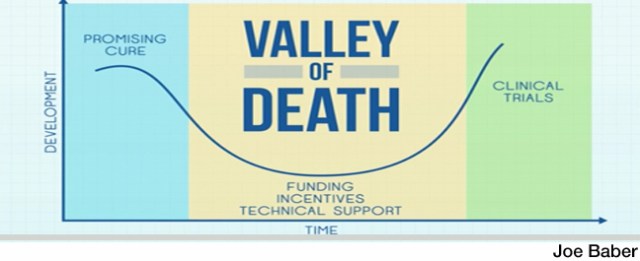
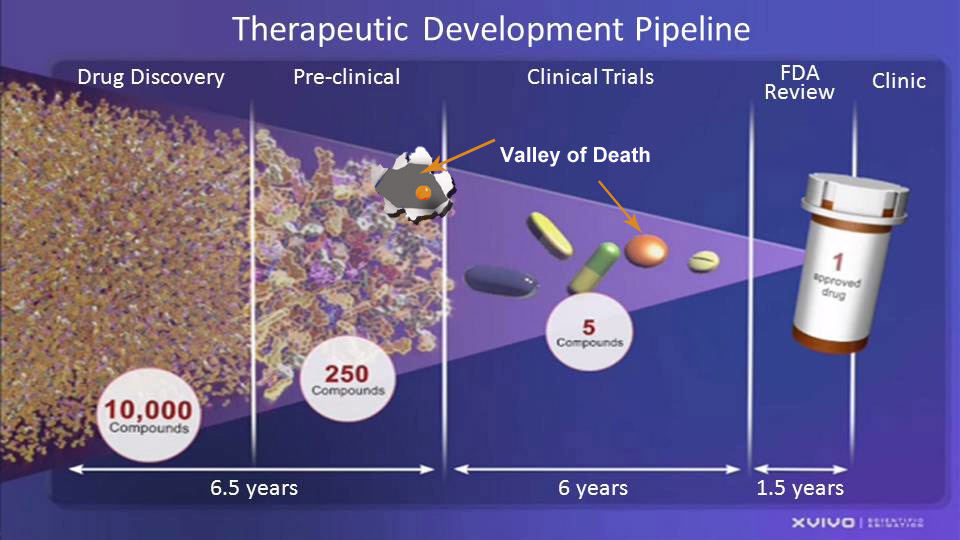
“Cancer Drugs, The Valley of Death,” An overview of FDA drug development in relation to childhood cancer drugs. The costs, and associated pitfalls for development of pediatric cancer and other rare disease drugs are discussed in detail.

Click Here for Part I of this series

Click Here for Part III of this series

Click Here for Part IV of this series

Part 4 will be available soon, stay tuned!

Posted in Cancer, Childhood Cancer, Pediatric Cancer, Rare Disease, Uncategorized | Tagged , , , , , , , | Leave a comment

One Son and Two Cancers: A journey, a lesson, a mission

2/9/2020 Update: In September 2019 , Steven was recently diagnosed with two more cancers (now, the total is four) and is now fighting Renal Cell Carcinoma and a Soft Tissue Sarcoma. He is currently in treatment.
This story will introduce you to the AYA community.  AYA stands for Adolescent, and Young Adult.  Because it is nestled between children and adults, this population of cancer patients is often overlooked and underserved.  It does not get the attention or coverage that it deserves.    Four Square Team Captain
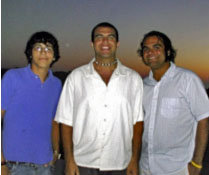
Steven, Nick, and Phil on the island of Santorini, Greese July, 2005 (seven months before diagnosis)

Steven, Nick, and Phil on the island of Santorini, Greese July, 2005 (seven months before diagnosis)

“Your son Steven has Stage 4 Osteosarcoma… We are going to do everything we can to save him… From this day forth your lives will never be the same.”

Those words still ring in my ears. Seven years ago, our energetic and loving son Steven was diagnosed with cancer. Steven was 15 years old at the time of his first diagnoses. He battled cancer with, according to his oncologist, “the most rigorous forms of chemotherapy available” for young patients with Osteosarcoma, and “… no adult could survive this type of chemo.” He had radiation to shrink the tumor, and two spine surgeries

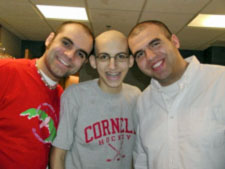
Phil, Steven, and Nick, 2006

Phil, Steven, and Nick, 2006

to remove the tumor and fuse his spine.  You see, Steven’s Osteosarcoma was located in Lumbar 4 region of his spine. In addition, the Osteosarcoma had metastasized in his lungs, hence the term Stage Four Cancer.

After ten months of treatment Steven was declared Cancer Free!

So was this the end of the journey? No.

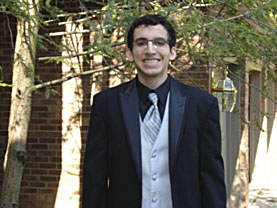
Steven getting ready for senior prom, May 2008

Steven getting ready for senior prom, May 2008

After treatment for his osteosarcoma, Steve grew stronger and healthier. He returned to high school and graduated with his peers. He started college and continued to participate in intramural sports and Greek folk dancing. He was looking handsome as ever. Life was good.

And then the bottom fell out: a week after Thanksgiving, during a follow up blood test, we were informed that secondary Acute Myelogenous Leukemia had developed in our son’s body. We were told that the survival rate was very poor. We were told that there were two options, do nothing or have a risky bone marrow transplant (BMT). We wanted to examine research to help make an intelligent decision but were informed that there was little information and research available for Steven’s age group. Imagine, your son is nineteen years old, fighting cancer for a second time and there is little information.

Steven boldly commented to the doctor, “So it’s really a crap shoot!”

Despite our deep concern over on son’s condition, our wonderful pediatric medical team provided us with a plan of action: (1) be admitted into the hospital (Rainbow, Babies & Children’s Hospital of Cleveland) as soon as possible; (2) prepare for a rigorous chemotherapy treatment to wipe out the cancer and put him in remission, which also meant eradicating his immune system; and (3) find a stem cell donor. Our entire family and community rallied around us. Christmas, New Years, and Valentine’s Day were spent in the hospital.

During treatment Steve was housed in a large hospital room specifically for transplant patients. He brought in his play station, flat screen TV (that he went out and bought the day he learned about his diagnosis).  I brought in a folding table for family dinners and a

Come on Steven, kick cancer's butt!

Come on Steven, kick cancer’s butt!

coffee pot (I needed my home brew to help me keep my sanity). Our hospital refrigerator was filled with foods that Steve could tolerate as well as items not available in the hospital cafeteria. We decorated his room with items from home and posters from family and friends.  Our favorite poster that loomed overhead was of Mohammed Ali standing over Sonny Liston after knocking him out! Talk about a motivational photograph!

For three months Steven was treated with chemotherapy. With survivor instincts in place and the blessing of God he coped very well to the rigorous treatments. In fact the AG5dietitian was amazed at his ability to continue eating despite the drugs he was receiving. He kept asking for salty peanuts. The entire medical staff was pleased (and a little jealous) with his high caloric food selection. We just couldn’t believe the amount of Planters peanuts he consumed!

During the time period where the chemotherapy was doing its job of eradicating Steven of his immune system and the leukemia, we learned that our sons Phil and Nick were not a match. We then began the process of organizing bone marrow drives. Again, our community embraced our efforts and fully understood the importance of registering to become a potential donor. (As you read this blog, I hope you are a member of the Bone Marrow Registry, http://m.marrow.org/) Interestingly, our donor didn’t come from within our “community” but from outside; a complete stranger. God sent this young man (age 33 years old) to save our son. What a blessing!

Steven in Arizona just a week before transplant in 2009

Steven in Arizona just a week before transplant in 2009

And so, as we prepared for this chapter in our son’s life, we needed to reach within our spiritual selves and pray. With the permission and support of his medical team we visited a Greek Orthodox Monastery in Arizona, where we prayed with a devout priest known for his spirituality. It was a very touching time in our lives. We felt everyone’s prayers and love.

Just prior to transplant Steven’s blood type was changed to prevent the donor’s antibodies to attack his blood stream. So with the help of a large portable machine that looked like something for dialysis, Steven’s blood type was changed from A negative to O positive.

On transplant day, our family and priest prayed over Steven as he was being prepared by the medical team. Steven needed to be sedated to avoid the risk of an allergic reaction. Steven slept, and we prayed and cried as we watched the stem cells flow through a tube and enter our son through one of his ports. The stem cells were contained in a zip lock style sandwich sized plastic bag. Funny how a container that looked so small and seemingly inconsequential could hold something of such great importance.

After approximately thirty days Steven was permitted to go home with a host of prescriptions for immune suppression, antifungals and antibacterials to protect his infant-like immune system. Steven’s diet was limited to foods prepared and cooked at home and under the most sanitary conditions. His marching orders included (1) wear a mask in public; (2) don’t eat in a restaurant, especially a buffet; (3) take all your medications; (4) eat and drink cooked healthy foods; (5) and call us at the first sign of  any health problem. We were warned to look for manifestations of GVHD (graft vs. host disease), a common side effect of BMT’s (bone marrow transplants).

GVHD can present itself on the skin (inside and out), gut, liver, lungs, eyes: in other words, just about anywhere on or in the human body. So it is very important for the patient to immediately contact his doctor at the sign of anything different. Not being proactive could result in developing a life threatening condition.

A transplant recipient needs a “little” GVHD, but not too much. It is important for the body to adjust itself to a “new you” with some minor medical occurrences (hence little GVHD), but not so much that it is life threatening. Fortunately, Steven had only two medically frightening and life threatening situations that required emergency care. For the sake of brevity I will not go into the details. Suffice to say GVHD presented itself in the most unusual and frightening manner. In fact, in the last four years health problems caused Steven to be admitted into the hospital, drop out of college twice, change career goals, reevaluate life, and come to grips with the reality that a two-time cancer survivor and bone marrow transplant recipient will live a lifetime with chronic health problems.

Chronic health problems interfere with daily life. People like Steven visit the doctor more often, continue to take immune suppressants, antibacterial and antifungal medications, as well as psychotropic drugs for anxiety and pain.  This is the reality of being a young cancer survivor!

At the age of 22 years, he is a college sophomore at Cleveland State University. He believes he has found his niche. The future looks better.

Being a young adult cancer survivor means standing up and pushing forward with life. Nothing is taken for granted. Friends and family are cherished. The common phrase “one day at a time” has a whole new meaning.

As a YA (young adult) cancer survivor and BMT (bone marrow transplant) recipient, Steven faces the reality of regular follow-up medical appointments, lurking infections, and the possibility of heart or lung problems. This means that he will always need good health care once he is no longer eligible for our medical plan.

Our journey is different from Steven’s. As parents, we feel blessed to have three great sons, a wonderful family, and supportive community. We too take each day as it comes. It is the little things in life we appreciate and enjoy.

We hate the fact that we have friends who have lost their children (young and old) to cancer. We are angry that a cure isn’t available. We are frustrated knowing that the current treatments for cancer put our children in harm’s way with the risk of developing a secondary cancer or other health problems.

A CURE MUST BE FOUND!

  • Each day 36 children (0-14 years) are diagnosed with cancer in the USA
  • Each day 175,058 children, adolescents and young adults are diagnosed with cancer in the world.
  • Childhood Cancer cannot be prevented.
  • Each day 70,000 AYA’s (adolescents and young adult – ages 15-39 years) are diagnosed with cancer.
  • Rate of survivorship for AYA’s with cancer have not improved since the 1970’s.
  • Life threatening illnesses or secondary cancers will impact over 19% of childhood cancer survivors in their teens or young adult years.
  • There is a lack of children and AYA’s participating in clinical trials.
  • There is a lack of funding (in 2006 only 3% of the National Cancer Institute’s budget went to pediatric cancer!!!).
  • AYA’s are more likely that any other age group to ignore health symptoms that can cause devastating and life threatening illnesses like cancer.
  • WE NEED MORE RESEARCH TO SAVE OUR CHILDREN, ADOLESCENTS AND YOUNG ADULTS.

So, my friends I thank you for this opportunity to tell my story about our journey with cancer. Life is what you make of it. And for me it is about helping to get the word out that a CURE is needed. AG7

The motto of the Steven G AYA Cancer Research Fund is this:

We will not rest until there is a cure!

Fight! Conquer! Cure!!!

With the help of his friends, Steven made it to the top of a Glacier in Montana one year after his transplant.

Author: Angie Giallourakis


bounceballauthor


Related Stories:

imagesNCI has more informationavailable (bulletins and newsletters), as well as a library of videos devoted to the AYA population.

CarolynCoveneyMany childhood cancer survivors become advocates when they enter AYA status.  Here, Carolyn Coveney, a ten year survivor, produced a video about childhood cancer.

carryme-coverCarson Leslie lost his battle with cancer at age seventeen, but before he died he wrote, “Carry Me,” a book in which Carson allows the reader to see his day to day struggle and how he wanted to be able to interact with all the people with which he came in contact.

grace-childs-intimate-journey-through-cancer-recovery-melinda-marchiano-paperback-cover-artAt age thirteen, Melinda Marchiano was diagnosed with Hodgkin’s lymphoma. At sixteen, she wrote “Grace,” which is an inspirational and humorous book about her journey. She is in college and continues to be very active in advocacy for childhood cancer.

Posted in Cancer, Childhood Cancer, Pediatric Cancer, Rare Disease, Uncategorized | Tagged , , , , , , , , , , , , , , , , , , | 10 Comments

Engaging the Pharmaceutical Industry – Part 1

This is beginning of a four part series by Jonathan Agin, an attorney and well known childhood cancer advocate (www.jonathanagin.com) in Washington, DC. He is married to Neely Agin and is the father of Alexis, Gabriel Agin and Trevor Agin. Alexis was diagnosed in April 2008 with a tumor in her brainstem and battled for 33 months before passing away on January 14, 2011. Mr. Agin, along with his wife, operate a Washington, DC chapter of a pediatric brain cancer foundation. In his spare time, Jonathan runs marathons and participates in triathlons. He has become a very effective voice for the childhood cancer community.   Four Square Team Captain

Introductionroad

Childhood Cancer, My Road Mapalexismap

It is easy for me to write about childhood cancer in many respects. It matters to me. It touched me personally through the diagnosis and loss of my amazing daughter Alexis. I have come to know so many families touched by this disease, and unfortunately, too many children who have lost their lives from this insidious killer. It matters. Where I think the struggle lies, is connecting childhood cancer to the masses and then, beyond that, changing the entire landscape with respect to fighting the disease. Childhood cancer represents many different types. Cancer of the bones, brain, nerves, soft tissues, etc. It is not simply one single type. Therein lies the problem for many of the issues that we face as a community with respect to unification. In addition, the thought of children being diagnosed with cancer and their struggles is not particularly pleasant. That is completely understandable. For those of us who have had to witness their child go through the journey though, we know just how amazing these children are. Finally, we lack a well organized lobby. I am hopeful that can change as well. I am trying not to be too self-indulgent here, my apologies for the shameless plug.

So, what can be done to ensure that childhood cancer is not fought in a vacuum by overtaxed parents? I have some thoughts. I plan to share them with my readers, and hopefully a broader audience as well with the help of all of you. Over the coming weeks, I intend to lay out several areas for collaboration and focus that I believe would be helpful for our children and our cause in general. I am certainly not an expert, I am simply a father who witnessed his amazing daughter journey from the day of her diagnosis in April 2008 to the day when she transcended this earth in January 2011. Along the way I have had the opportunity to meet many amazing children and parents who are all committed to joining this fight and winning the war. I am fortunate to have this platform, to live in Washington, D.C. and be able to have access to lawmakers, and to have a little bit of legal knowledge that makes me just scary enough to be successful. So, where do I think we can move the ball ahead?

First, we need to enter into real discussions with pharmaceutical companies on several issues. There needs to be better access to compounds for testing in research and mouse models. It simply is unacceptable that some pharmaceutical companies make it very difficult for researchers to obtain compounds. The discovery rate for the efficacy of compounds is being thwarted by the slow delivery of the drugs in the first place. Time is not an element that we have in the childhood cancer community. More importantly, despite incentives placed upon pharmaceutical companies to develop new pediatric cancer drugs, there has not been a single new childhood specific drug marketed in over twenty years. This has to change and there are more ways to create incentives and demonstrate profitability models to the pharmaceutical industry for childhood cancer specific drugs. I will tackle this in my first piece in this series.

The Food and Drug Administration needs to change the manner in which it operates. Far too often the FDA acts as an impediment to the development, marketing and delivery of drugs to our children. I have witnessed it first hand in the treatments that Alexis was offered, and more importantly, not offered. As a parent, you will do and try anything and everything to save your child. Unfortunately, you are not always provided that opportunity and frequently, it is the FDA that acts as the head of the snake denying these chances. We must enter upon a new dialogue with the FDA to make our voices heard. We must ensure that our children are provided the opportunities to fight and that we are given the chance to fight. There is a message that we must deliver. Knock knock FDA. The message is coming.

Federal funding levels must change. I have written many pieces on this topic. I have sat with members of the National Cancer Institute and discussed this issue, as well as been in many congressional offices talking about this topic. The buzzword inside and outside of the Beltway may be Sequester; however that should not be the end to our discussion about funding disparities. There is money available and we can and should continue upon our mission to change the proportions allocated to childhood cancer. From the top, Harold Varmus, M.D., to members of congress, there is a message that we can send, with appropriate asks, that I will present. The ability to message the appropriate “asks” is paramount to being successful at changing the funding landscape.

Unity. It is often discussed, it is often attempted, but it is not often achieved. With so many different types of childhood cancer, and the wealth of amazing foundations and organizations, it is a difficult task to try and gather as many under one roof or umbrella and create the common goals that are necessary to achieve a clear message and strategy. I think it can be done. In the DIPG community, the type of tumor my daughter had, we have created what is known as the DIPG Collaborative. This group has come together to pool funding and resources to gain greater collaboration among researchers. Each member continues to maintain its own identity while creating a larger voice in the community. The mandate is clear here, research funding. In the childhood cancer community in a broader sense, we must all be able to agree on a handful of smaller “asks” to ensure that we not only have success, but more importantly, can grow into a larger more organized and action oriented entity. I believe this is possible and will present my thoughts in the coming weeks on this issue.

Over the coming weeks I want to provide my thoughts on the topics outlined above. I certainly do not have all the answers, I simply have this platform. There are so many amazing people and families who are walking this path and fighting this battle. I am simply one of them. The ultimate goal for us all is to be able to ensure that the next time a family is pulled aside and told “your child has cancer,” the next words out of the doctor’s mouth will be “but thankfully we have a cure.” Those words will never be spoken to my family for Alexis. For us, it is much too late. Alexis paid the ultimate price. I want a cure. I want a better outcome for every child currently battling and who will be diagnosed in the future. It is more than time for this to be realized. I think it can be, I think.

Author: Jonathan Agin      Parts 1 to 4 are continued  below

Part 1 of 4 road

Engaging the Pharmaceutical Industry in the Fight Against Childhood Cancer  

This is the first piece in a four piece series that 13322075_sI hope will lay out a plausible road-map for the fight against childhood cancer. Please share your ideas with me as we journey together.

The fight against childhood cancer is not possible without innovative drugs that are available for delivery without significant restrictions. This statement, given the lack of development of childhood specific cancer drugs is difficult to mesh with the current state of affairs, yet I think is completely true. There are obvious problems with respect to the overall access to these drugs both for testing in the laboratory as well as in the realm of patient availability. In addition, there is little movement in the development of childhood specific drugs. Part of these issues lie squarely with the Food and Drug Administration (FDA), or with institutional review boards who think they are protecting our children by failing to grant access. That’s a discussion for down the road in this series.

We hold the pharmaceutical industry in this country in a unique place. In many instances, we deal with and approach them at arm’s length and never try to engage them on the ground as advocates. This is a mistake. The childhood cancer community needs the pharmaceutical industry and the companies as partners, not as foes. First, we need to engage them to ensure that they are willing to allow compounds into the laboratory for testing. This is a significant issue in the brain tumor community in general. One of the methods researchers have for finding breakthroughs is to be provided with drugs to test. Yet, there seems to be the sense that this is not occurring at a fast enough pace or that access is not being provided in general. Part of the reason for this is that the drug manufacturers are concerned over the viability of compounds for commercial sale and use. And thus, if a drug fails in a research setting, that could suggest that the drug will not be viable in patient trials. Therefore, manufacturers are afraid to allow further testing and release compounds. This is completely understandable. For profit companies are entitled to continue to pursue business models that generate profits. Given this conundrum, we must discuss this lack of access amid the fear that failure will negatively impact the bottom line of the company. In addition, as suggested below, we must try and partner funding with drug manufacturers to obtain the compounds for testing in labs.

It is costly to bring a drug to the market. This cost, given the perception that a low patient population does not equate to a profit model is one of the largest stumbling blocks for the development and marketing of new childhood cancer specific treatments. Therefore, the childhood cancer community must demonstrate to the pharmaceutical companies that creation of child specific drugs can be used for upstream profits in the more populated adult cancer community, as well as other disease specific communities. Because childhood cancers do act differently than most adult cancers, and children are sometimes better able to withstand the toxicities and rigors of treatments, there is the theory that focusing on children could create greater numbers of efficacious drugs for adults. Therefore, patience in the creation phase of new drugs could pay off in the end for greater profitability. Children will always get the “hand me downs” but if we can demonstrate success in the creation of drugs that help children but also help larger adult populations, we can provide adults with “hand me ups.” Of course, this involves drug manufacturers taking a certain leap of faith, but it also embraces the theory that there are greater rewards through greater risks.

2013-01-15 07.14.34 amThere have been several attempts to legislatively impact this lack of drug development and access. The most recent is the Creating Hope Act. This act, that Nancy Goodman and many in the childhood cancer community worked so hard to obtain passage of, creates incentives for drug manufacturers to develop new compounds for childhood specific diseases, including cancer. It is a milestone in the legislative landscape and should prove to be a significant tool for the advancement of our cause. Unfortunately, since its passage, I am unaware of a single drug manufacturer taking advantage of this legislation despite the ability to utilize it to increase profits by obtaining favorable fast-track review for another compound. We in the community must find ways to push the pharmaceutical companies to utilize this tool. Its existence simply is not sufficient. We must seek to meet with the executives of these companies and engage them in a truly personal manner. This has worked in the past for various compounds including one called Xerecept, a steroid alternative that was withheld from pediatric trials until the community confronted the executives of the manufacturer with evidence of the horrors of steroid use in children with cancer. Ultimately, with the help of the FDA, the compound was placed in childhood trials and it is proving effective. We must attempt to open the doors and discuss the landscape and the incentives. These discussions necessarily should include the ultimate discussion of profits from the creation of childhood specific drugs.

Finally, we must approach and treat the drug manufacturers as partners. This can be done11841324_m by trying to join forces with private monetary interests to help ensure that clinical trials do not losing funding, and, more importantly, matching researchers with compounds and then supporting those research trials by removing the fears that the repercussions of failure bring. By combining forces, we can create a lasting partnership that keeps in mind the objectives of both the childhood cancer community as well as the drug manufacturers.

This is a long and evolving issue that is not going to change overnight. For those kids fighting cancer at the present time, and children like my daughter Alexis who lost her battle, this portion of the road map comes too little too late. For many, that will not be palatable. I completely understand and frankly I do not disagree. However, if the childhood cancer community is going to be the tip of the spear that thrusts itself broadside into the issue of drug development and access, then we must exercise a mixture of steadfast resolve and patience at the same time. Opening the doors is not an easy task, and, in all honesty I do not have all the answers. I am fortunate to have this platform. I simply know that at some point, the door will open and we must be prepared to walk through with the ideas. Altruism and profitability are not that far removed from one another.

The collective voice of the community is rising. I have witnessed this happen over the last number of years. It is through the motivation and singular conviction of all of these amazing parents and children that the balance is shifting. I just do not know whether the drug manufacturers have heard our voices enough.

Author: Jonathan Agin       Part 2 is continued  below

JonathanPart2
Posted in Cancer, Childhood Cancer, Pediatric Cancer, Rare Disease, Uncategorized | Tagged , , , , , , , , , , , , , , , , | Leave a comment

The Funding Conundrum for Pediatric Cancer

My grandson, at 15 months of age, was diagnosed with high risk neuroblastoma. He is a survivor.  Although, he  endured an incredible six year long journey, this story is not about him,  his family, the changes in their lives, or even the obstacles any of them endured and overcame.  This is a story about all the changes that have taken place over the same six  years in funding for childhood cancer.  This parallel story also is incredible and even more difficult to believe.   We begin in 2006, about the same time my daughter heard the news, “Your son has cancer.”  

By 2006, the only child specific cancer drug  approved by the FDA was clofarabine clolar-figure-1(Clolar, Genzyme) used for refractory pediatric acute lymphoblastic leukemia (ALL). In 2004, it was the first drug approved since 1948 when the FDA was first founded.  It was original and not a spinoff of a previously approved adult drug.  Prior to this, in 56 years since the creation of the FDA, only 15 adult drugs were approved for use in children.  New adult cancer therapies numbered 120 during the same period. One pediatric drug stands in contrast to 120 adult drugs; this is reflective of the challenges that were faced by pediatric oncology prior to my grandson’s diagnosis of neuroblastoma.

In a 2006 article in Molecular Therapeutics*, Dr. Jessica Boklan answers the following questions, “Why has pediatric drug development been the poor stepchild of cancer drug development? What are the major challenges currently confronting pediatric cancer drug development? What are pediatric oncologists and other children’s advocates doing to overcome these barriers?”

“In general,” she continues, “the major obstacles faced by pediatric oncologists arise from the same underlying issues faced by adult oncologists but are significantly amplified in pediatrics-limited funds, limited time, limited numbers of investigators, limited numbers of patients, and limited political clout.” 

Dr. Boklan noted that “cancer was the most common cause of nonviolent death for children in the United States.  One in 300 children will be diagnosed with cancer by the age of 20 years. Yet, the total number of new pediatric cancer diagnoses is minuscule compared with the total number of new adult cancer diagnoses. Whereas 12,000 to 13,000 new cases of pediatric cancer are diagnosed in the United States yearly, a staggering 1,368,030 adults were diagnosed with cancer in the United States in 2004. For additional perspective, there are more cases of breast cancer diagnosed in New York State each year (15,190 in 2004) than there are new pediatric cancer diagnoses nationwide. Once pediatric cancers are broken down by individual diagnoses, their numbers relative to adult cancers become exceedingly small.”  Keep in mind that 7 years have passed since Dr. Boklan made these observations and we are still quoting the same statistics that she quoted in 2006. Very little has changed in seven years!

Click for 2012 Drug Development

Click for 2012 Drug Development

Dr. Boklan continues, “With the average cost of research and development to bring one drug to market at $802 million and given that 1 in 1,000 new compounds that enter preclinical testing ever make it to human testing and only 1 in 5 agents that enter human trials receive FDA approval, it is little wonder that pharmaceutical companies would hesitate to invest in pediatric cancer treatments. Basic economics clearly favors investment in a treatment for 215,990 adults yearly diagnosed with breast cancer over a treatment for a mere 425 children yearly diagnosed with rhabdomyosarcoma”  Again, not much has changed, and in addition, this situation also influences the future of research because bright, young laboratory investigators avoid a field of study where the chances of having research reach the patient is almost impossible. They instead choose other fields of research.

In 1997, the FDA tried incentives by offering an extra 6 months of patent protection  to drug companies under certain conditions on new agents or studies requested by the FDA.  The Pediatric Exclusivity Provision of the FDA Modernization Act of 1997, renewed in 2002,  produced 10 adult oncology drugs suitable for use in children by 2006. The provision was renewed again in 2007 as part of the 2007 Best Pharmaceuticals for Children Act (BPCA). 

That approach, though, has led to only 15 such cancer medicines being allowed for use in children since 1997. The new focus on getting adult cancer drugs to youngsters may be aided a  little by legislation that took effect in January, 2013.  It requires drug makers to discuss pediatric studies earlier than normal for appropriate populations of younger patients. Now, pharmaceutical companies are required by law to study their products in children if the disease exists in the pediatric population.   The key here is the wording, “if the disease exists in the pediatric population.”  Such cancers as neuroblastoma and other purely pediatric cancers that never appear in adults will not benefit at all under this provision.

Click for more info

Click for more info

On July 9, 2012, The Creating Hope Act was signed into law. The Hope Act works by  offering vouchers as “big fat carrots” as Nancy Goodman, creator of the legislation, likes to  describe them.  “The vouchers offered to drug companies come with rights to a speedier FDA review of another drug they are trying to get to market, possibly a blockbuster drug, and it does not require taxpayer funding.”  If a company can shave 6 months off the normal review time, it could be a huge financial gain for them.   Nancy is actively working with the FDA to get the full benefit of the new incentive for drug companies.

2013-03-06 02.58.39 pmDr. Jessica Boklan describes the 2006 situation in this way: “A substantial segment of the U.S. population is disenfranchised because of their age. Simply stated, kids cannot vote. Without a voting block to get the attention of Washington, children must rely on others to make their case for them come budget time. Historically, pediatric cancer has not been a budget priority. For example, the total budget for National Cancer Institute (NCI) for fiscal year 2004 was $4.7 billion. Of that, only $166 million (3.5 percent) was devoted to pediatric cancers in any form, including funding for prevention, treatment, and long-term follow-up.” Today in 2013, nine full years later,  the NCI budget remains at 3.6 percent for pediatric cancer, treatment, prevention and long term side effects.

Now, sequestration has taken place. The budgets of NIH and NCI already cut by 10% in 2006  have been cut another 5.1% again as of March 1, 2013.  This was the sentiment expressed by Dr. Boklan in 2006 when NCI funds were cut. Does this sound familiar? “These cuts translate into fewer clinical trials and scientific inquiries for children with cancer at a time when clinical trial enrollment and resulting access to novel drugs have never been more critical. In addition to short-term issues of survival, increased capital is likewise essential to address the long-term effects faced by childhood cancer survivors from today’s toxic treatments. As these children now live into their thirties, forties, and beyond, chronic illness and disability are emerging as major challenges. Increased funding is needed both to develop less toxic treatment regimens to minimize late effects and to address those effects when they do occur.”  Dr. Boklan was correct then and she effectively predicted what we are seeing today.  It sounds like a broken record!  That is EXACTLY what we are saying today!  Nothing has changed yet.

Seven years ago, Jessica Boklan remained hopeful in her 2006 article and was very optimistic about a new bill that was introduced at about the time her article was being completed.  She wrote, “Despite worsening budget constraints, there is a glimmer of hope. One encouraging new development is the Conquer Childhood Cancer Act of 2006. Introduced in March 2006 to the Senate and House of Representatives jointly by Senators Norm Coleman (R-MN) and Jack Reed (D-RI), Congresswoman Deborah Pryce c_pryce_200(R-OH), and Congressman Michael McCaul (R-TX), the Act would authorize $100 million for over 5 years to support translational research into pediatric cancers. It is too soon to tell whether this bill will successfully pass and whether it heralds a change in priority by our government toward curing pediatric cancer.” Two years later, after a tremendous amount of work, the bill did pass with unanimous consent on the Senate floor and a vote of 416 to zero in the House of Representatives! Known as HR 1553, The Carolyn Pryce Walker Conquer Childhood Cancer Act of 2008, named after Congresswoman Deborah Pryce’s nine year old daughter who lost her battle with neuroblastoma. It was signed into law on July 29, 2008 by President George W. Bush.  Before the signing, President Bush revealed that he had lost his three year old sister in 1953 to leukemia.  President Bush signs Childhood Cancer Act in WashingtonThe bill authorized even more money than Dr. Boklan saw in the original 2006 version of the bill. The newly passed version authorized $30 million annually over five years to create a population-based national childhood cancer database and to further improve public awareness and communication regarding available treatment and research for children with cancer and their families. It also required  that  NCI continue to enhance, expand and intensify pediatric cancer research. There were no restrictions on using some of the funding to expand clinical trials if NCI deemed it appropriate.  

ShillgameYou may have to restrain yourself as you read on.  Sadly, of $150 million  approved for the  bill, Congress only appropriated $5 million to the Centers for Disease Control (CDC) to carry out the law’s provisions of creating a childhood cancer registry and printing a publication for families.  While the CDC never stated that it did not need further funding and would have gladly accepted any funding that Congress provided, the NCI said  they already had enough money in their regular budget. The following statement was issued by the appropriations committee,  “The National Cancer Institute reports that it is meeting the funding level identified for pediatric cancer research in the Caroline Pryce Walker Conquer Childhood Cancer Act of 2008 within its base budget. The conferees commend NCI for its attention to this issue.”  

To clarify, NCI said, “No thanks,” to appropriations  in 2009, 2010, 2011, 2012 and 2013 for an additional $30 million each year for use in pediatric cancer, the CDC never requested more funds and Congress never followed up to see if the money was being appropriated as intended in the bill.   

Maybe the problem was that the name of the bill was not fashionable for the the times.  The Carolyn Pryce Walker Conquer Childhood Cancer Act may have been better receivedGM if it had been called the The Carolyn Pryce Walker Bail Out Childhood Cancer Act. During this five year period, the government could not spend money fast enough.  They bailed out AIG, Fanny Mae, Freddy Mac, GM, Chrysler, Citi Bank, Bank America and countless others for billions and billions of dollars!

This appears to be not just a conundrum, but what many may call a cluster conundrum!bounceballauthor

Author: Joe Baber

Editor’s note: Since this article was first published, sequestration ended and a bill was re-introduced in Congress under the same name, but with major revisions and the amount requested was only about 1/3 the amount of  the approved original bill. The new version never passed.  Another bill, The Childhood Cancer Survivorship, Treatment, Access, and Research (STAR) Act was passed and signed into law in 2018 after 2 years of hard work by advocates. It is for $150 million over 5 years. The first year appropriation of $30 million was also approved. The bill is intended to expand opportunities for childhood cancer research, improve efforts to identify and track childhood cancer incidences, enhance the quality of life for childhood cancer survivors, and ensure publicly accessible expanded access policies that provide hope for patients who have run out of options. Click Here for details.

*Dr. Jessica Boklan’s 2006 article, “Little patients, losing patience: pediatric cancer drug development,” may be found at  http://mct.aacrjournals.org/content/5/8/1905.full

Posted in Cancer, Childhood Cancer, Pediatric Cancer, Rare Disease, Uncategorized | Tagged , , , , , , , , , , , , , , | 3 Comments

Give me a big bottle of that stuff!

About this time 12 years ago, I was working on forming a reunion of people who had worked at Roses Stores, a southeastern chain of discount stores. Out of the blue, I walked back into Marion, VA, a wonderful small town that I had not visited in over 30 years.  It made me want to capture and bottle up their sense of togetherness and care for one another and bring it back to our childhood cancer community.
 

It’s emotional.   I went back, here’s my story…

All of this talk about Roses and a reunion had me thinking a lot about my early years with Roses.  Last month, for the first time in thirty years,  I did it.  I went back to Marion, VA where,  from ’78 to ’82, I managed my first Roses Store.  Two years after I left Marion,food-city1 the store burned to the ground.  It was never rebuilt.  Of course, the first place I visited was the  very  ground where the old store once stood.  A Food City store was built on the exact spot where my old store used to be.  Even the entrance was pretty much in the same place.  While customers were entering and leaving the food store, I stood there on the sidewalk and started recalling all the old times, people and events that took place half a lifetime ago.  It was a very emotional experience which I will not forget.

a_sharp_red_gmc_truck_by_theman268-d48bpv1Glancing over to  the right side of the parking lot where we all used to park, I first remembered Randy Bear’s old red GMC pickup truck with the wood  side-rails I made for him.  George Albright also parked his “302” Boss Mustang1969_ford_mustang-pic-14508 there. I always thought George bought it just to use as a chick magnet.  Both went on to manage stores.  Every morning, when I pulled into that lot, Ben, who did our floors and kept the store clean, was always there, sitting on the sidewalk, waiting for me and ready to start work. He smiled every time he saw my car.

Ben had been trained by the state to polish and buff floors.  You see, before working at Roses,  he had lived in the state mental institution for most of his fifty plus years. Now, that’s a completely different story in itself and I won’t go there now.  Ben had the mental ability of less than a 10 year old boy. He could not read, write or even speak very well, but whenever you did something for him, he could sure give you the biggest smile!  Learning to clean and buff floors was how he got released or pushed out, depending or how you wanted to look at it.  He lived in a one room rental in a boarding house near the center of town. Despite what some people may think, Ben was a very good worker.  Nobody could make a floor shine like he could!   We nominated him for the Roses Recognition Program and he was a district winner.  Our Roses family was the only family he knew.  We even did his laundry and arranged to have him transported to and from work.  We took care of Ben and Ben took care of us.

Standing there in the sunlight, I remembered a warm Saturday afternoon in July.  Thirty some years ago, in that very area where I was standing, we had a sidewalk sale with a radio remote broadcast.  We donated 10% of the proceeds from the sidewalk sale to the Marion Volunteer Rescue Squad.  They were trying to buy a much needed, $5,300 Jaws of Life X-tractor Combi 3device.  The week before, the rescue squad had been thrown off the Kmart property because, according to Mack, the manager from Detroit, “Soliciting was NOT allowed!” During the broadcast, the squad members related the story to George, who was Marion’s local radio personality.  He was host of the “Swap and Shop”, the newsman, the weatherman, and the disc jockey.  George  was clearly the most well known person in all of Smyth County.  On the air for four hours, George kept repeating their story and comparing it to what Roses was doing for them that day.  Shortly after the broadcast had begun, people started lining up in their cars and trucks and for the first time that anyone could remember, we  had a traffic jam in the parking lot!  They just wanted to see George, drop their money into a big orange bucket next to him and, of course, get their names on the radio.  Some people even parked there and shopped our sidewalk sale.  We had one of our best days  in sales and the rescue squad collected enough money to buy their very expensive life saving tool! It’s amazing, when you start talking about them, how memories become brighter and begin living a new life .  I only mentioned my parking lot and look what happened!

It’s too bad we can’t seem to get this collective spirit, that you find in a small town like Marion, to work in our childhood cancer community.  We can’t even come together to signblogUnity2 a simple petition to the White House asking for increased funding for cancer research for kids.  It’s very sad. I’m not sure exactly what the problem is, maybe it’s the grief, the loss, or the sense of helplessness that keeps us from coming together.  Whatever it is, we will need to overcome it if we really want to shine a light on cancer and its effect on our children. We must come together and speak with a unified voice if we ever want to make a change.  No one will do it for us. We have to do it ourselves.

Author: Joe Baber

Editor’s Note: Since this article was written, The Coalition Against Childhood Cancer  (CAC2) was formed in 2013 and conducted it’s first annual meeting in Washington, DC on June 25, 2014 with 59 plus member organizations. Ten years later, CAC2 celebrated it’s tenth anniversary with 224 members, including 117 childhood cancer organizations across 41 states and 9 countries. CAC2 ensures the childhood cancer community benefits from greater coordinated action and collaboration. More than 500 organizational, individual, and student members care about and invest themselves in impacting childhood cancer.  Visit www.cac2.org for more information on this very effective organization that is dedicated to a future without childhood cancer.

bounceballauthor

Posted in Cancer, Childhood Cancer, Pediatric Cancer, Rare Disease, Uncategorized | Tagged , , , , , | Leave a comment

Effective Public Speaking 101

Want to spread the word about how rare childhood cancer is?  Even if you are afraid to talk in front of a group of people, you can do this without giving a big speech!  This is how to give an effective talk on why childhood cancer is not rare.

rotaryAsk for time to speak at a service club’s luncheon or meeting.  Rotary, Exchange, JayCees, Lion’s Club, PTA, Church Group, etc. have these on a monthly basis and are always looking for someone to inform them on issues important to their community, city, or organization.  They will want you to fill anywhere from 10 minutes to 20 minutes with a prepared talk.  Ask them if you can show a short video. If the answer is, “no,” then, stop here, this lesson is not for you.  If the answer is “yes,” then proceed with this lesson.

Assuming it is OK to show a video, take a laptop and at least a 32 to 40 inch flat screen with you.  You will need an internet connection or a DVD of the video below. Many places that hold meetings already have internet and large screens available to use.  Check ahead of time to see what you will need.

Allow yourself plenty of time to set up prior to the meeting. Double check and make sure that it works!

When it comes time to speak, thank them for having you and tell them that most peopleSchool think childhood cancer is rare, but you are there to tell them it is not.  Tell them, 36 children are diagnosed with cancer every singe day.  “That’s about one classroom of kids in __________ Elementary School every day.”  Ask everyone to view the video below. Tell them to watch from AALIYAH to TYLER and to JESSIE.  Ask them to write down the names of kids that share the same first name because you want to see how many people get it right.

Show the video, click below.HeroVideo

When the video is done. Tell them that it only contained a small number of the 2,000 plus kids that DIED in 2012 alone. Each day, every four hours, somewhere in the U.S.   a child dies from cancer.  Look at your watch and (if you are at a lunch meeting) say, “So far today, three have died,” and if your are at a dinner meeting say, “So far, five have died today  from cancer that SOME people want to keep calling rare.”  Next, tell them to support childhood cancer research (pick the one you want or pick Jessie’s NEGU since they made the video, not to mention all the good they do).

End of Talk.  Thank them. Don’t even ask who counted the number of times a name was repeated, no one will know.  Take my word for it, they won’t even notice that you never asked.

facetofaceWhat ever you do, don’t send this video to our childhood cancer community members! They already know this stuff.  Show the video to people who don’t have a clue about kid’s cancer!

Every year over 2,000 innocent children lose their courageous fight with cancer. These kids are the true heroes. They battled. They took the meds. They did what the Dr.’s said. They did everything they could and still there was no cure for them. The Jessie Rees Foundation creates an annual video called The NEGU Heroes: A Children’s Tribute. This video is full of faces. Faces of heroes. Faces that should be living life but there was no cure. Faces that need to be remembered. We NEGU for these families too!

Contact information for NEGU:

Jana Perry
Family Resource Coordinator
Jessie Rees Foundation: Never Ever Give Up!
inspired by Jessie Rees (4/8/99-1/5/12)
a 501 c(3) public charity
HELP KIDS NEVER EVER GIVE UP
Email:: NEGU.org
Online:: www.jessie.org
Address:: 22521 Avenida Empresa, Suite 112 Rancho Santa Margarita, CA 92688 Toll Free:: 888-648-NEGU (6348)
bounceballauthor

Author: Joe Baber

Was this article helpful?  Want more like it?  Let us know.

Posted in Cancer, Childhood Cancer, Pediatric Cancer, Rare Disease, Uncategorized | Tagged , , , , , | 1 Comment

We are Soldiers of Cancer

Behind every soldier there is a family who makes sacrifices so their spouse, father or mother can serve our great country.  Ryan’s family is one such family.  Even in the shadow of pain and adversity, they are giving back to our nation.  Not only are our military members brave, but so are their families… 

RyanBuddy2Ryan’s Battle Buddies: “We are soldiers of cancer. Instead of a Purple Heart, we wear a Golden Ribbon”

We all know about Pediatric Cancer. It’s what we’ve devoted our lives to because of some circumstance that landed in our lap or was shoved into our life. But, have you ever thought of what it is like for a military family in a foreign land – far away from family and friends – to hear the words “Your child has cancer?”

It happens. It happened to our son, Ryan. I would like to share his story and why we have started a nonprofit foundation, Ryan’s Battle Buddies, to help military children and their families affected by pediatric cancer.OLYMPUS DIGITAL CAMERA

Ryan’s story starts as most do. His began with a headache four days into kindergarten. The post we were stationed at only had a clinic, so we were sent off-post to a German Hospital for further tests. Those tests revealed Ryan had AML, Acute Myeloid Leukemia.

My son was five years old and he had cancer.

Ryan and I had to leave Germany as soon as possible and return to American soil to startRyan C17-2 treatment. We had four days in which to accomplish this. In that time Ryan had to say goodbye to his friends, his sisters, his dad, and the home he had known for two years. We had no idea where we were going; how things were going to work out; how long it would take for my husband to get orders; how and when our car and household goods would be shipped; and how long our family would remain separated until the military side of things could be taken care of.

Ryan C17When Ryan and I boarded a C17 Wounded Warriors flight from Landstuhl to Andrews Air Force base in Maryland, I had no idea where we were going and what was going to happen. I was terrified. I spent the nine and a half hour flight explaining to him why there were wounded Soldiers on the plane and trying to assure him that everything would be okay.

After arriving at Walter Reed National Military Medical Center, the stress continued. I had no cell phone – no way to contact my husband and let him know we were safe or even where we were. After several hours, he figured out a way to get in touch with me and IRyanWindow was finally able to talk to him and tell him Ryan would begin his treatment the following week.

It took a month for my husband to finally arrive with our daughters. In that time, Ryan went through one PICU stay and his first round of chemo. I stayed by his side and had no idea what was outside the walls of the hospital. I had to figure out how to accomplish things like doing laundry without leaving the hospital. I was scared, lost, and alone.

Once our family was reunited, we began an expensive waiting game. We had to wait a month until a home was available on post where my husband had been stationed. We had no car as ours was being shipped from Germany. We had a cat and dog and had to rely on strangers to care for our animals while we tried to locate a hotel that would allow pets. After a month in a hotel, a transfer for the girls to a new school, and Ryan finally being able to come home, we had spent over $7000 on hotel expenses, new school supplies, and restocking our food and household supplies.RyanStaff2

And on top of all of this, we STILL had a child with cancer.

The expenses continued to add up during his year of treatment. We were stationed about an hour from where Ryan received his treatments. We would “switch out” so we could see our daughters at least every 3-5 days, so gas back and forth from the hospital became an added expense. Also, Ryan’s type of cancer and treatment protocol required him to live in the hospital for months at a time, so meal costs added up as well.

Ryan relapsed five short weeks after being in full remission from his four intense rounds of chemo. He was moved to Children’s National Medical Center in DC to have a bone marrow transplant. He received another three rounds of extremely Ryanportraitharsh chemo with no time for his counts to recover and one week of cranial radiation. He also had one week of twice a day full body radiation.

We said goodbye to Ryan August 11, 2012, two days before his sixth birthday and five days before his bone marrow transplant.

We will never recover from this.

The idea behind our foundation stems from a military tradition. A “battle buddy” is expected to assist their partner both in and out of combat. These battle buddies watch each other’s backs and are always there for each other. Our hope is that Ryan’s BattleRyanDogtags Buddies will be able to help military children and their families affected by pediatric cancer.

We want each of these children and families to have their very own special battle buddy. We’d like to have financial assistance available and a plan in place for families like ours who have to pack up and leave wherever they may be on such short notice. We would also like to send out care packages, called “battle boxes”, to military children all over the United States who are battling cancer. If we can help other military families affected by pediatric cancer, perhaps we can lessen the burden and challenges we went through. It will also give us a chance to share Ryan’s story so he will never be forgotten.

Author:   Mikelle Gallier Raffel

bounceballauthor 

Posted in Cancer, Childhood Cancer, Pediatric Cancer, Rare Disease, Uncategorized | Tagged , , , , , , , , , , , , , , | 2 Comments

Tissue Donation – The last thing any parent wants to give

TissueDonation

Progress, unfortunately is sometimes forged from the fires of pain mixed with strength, courage, passion and determination.  Nancy Goodman has such a story.  Nancy made a donation that no parent ever wants to give.


“My son, Jacob, was a beautiful, happy, kind, funny, serious, inquisitive, articulate, contemplative, exuberant, talkative boy. He loved all sports, playing keyboards and vocals in rock bands, spending time with his little brother, Ben. He wanted to be a good kid. When Jacob was 8, he was diagnosed with medulloblastoma.2013-01-15 05.30.00 am Jacob’s disease was unresponsive to treatment and burdened him with terrible impairments. Jacob struggled with brain cancer for two years.  Finally, on January 16, 2009, at age 10, he lost that struggle.”

“One step we took that has brought us great comfort was to request an autopsy tissue donation.  We hope that through this donation, we might one day prevent another child from suffering Jacob’s fate. Tumor tissue is scarce and much research for pediatric brain cancer is delayed or never undertaken because there isn’t enough tissue available. Tissue donation is one of the few positive steps we can take during this trying time. And it is a contribution that only we, the parents of children with brain cancer, can make.”

“Jacob’s tissue was sent to several pediatric cancer researchers.  We are happy to report that even this one step has promoted scientific understanding of pediatric brain cancer.  One research team reported a new observation as a result of a genetic analysis of Jacob’s primary and metastasized tumor tissue. Another research team was successful in developing the first xenograft autopsy tissue mouse model from autopsy materials.”

Today, the lightning fast technology coming on board in genomic research for brain cancer is being severely slowed down due to lack of tissue.

2013-01-15 05.36.49 amSo that researchers can obtain the tissue they desperately need, Nancy founded KidsVCancer (www.kidsvcancer.org) and is working to make autopsy tissue donations more common. If you are a doctor, parent or caregiver and would like more information, please contact KidsVCancer and they can assist you.  If your organization would like to help Nancy promote tissue donations,  KidsVCancer  would love to talk to you.

Five year old Dylan Jewett was diagnosed with a diffuse intrinsic pontine glioma (DIPG) on November 15, 2008,  Danah, his mother says of her decision, “I know the decision to2013-01-15 06.58.21 am donate autopsy brain-tumor tissue is the hardest decision a parent will ever have to make. No parent should have to make this choice. But, if your child loses a battle with brain cancer here on earth, please consider donating his or her tumor for research. The donation will be used to save another child’s life. As awful as it is for us to have to say goodbye to our beloved child, at least we can help another child be healed through the decision to donate.”

Nancy did not stop at trying to improve tissue donations. She also championed the Creating Hope Act through Congress.  The act gives a real incentive for drug companies to produce a child specific drug.

Nancy said, “Jacob died on a Friday, and Saturday morning I put my laptop on the dining room table and started working.”   Jacob’s friends and other young cancer survivors lobbied members of Congress for passage of the Creating Hope Act.  Other families of children with cancer joined in.

Dr. Henry Friedman, a leading Duke University Medical Center pediatric neuro-oncologist remarked, “The reason that companies don’t make pediatric drugs is all market force driven.  Companies have an obligation to their shareholders to make money. The pediatric diseases by and large are such low numbers. The incentive to make pediatric drugs is very small.”

The Hope Act works by  offering vouchers as “big fat carrots” as Nancy likes to  describe 2013-01-15 07.14.34 amthem.  “The vouchers offered to drug companies come with rights to a speedier FDA review of another drug they are trying to get to market, possibly a blockbuster drug, and it does not require taxpayer funding.”  If a company can shave 6 months off the normal review time, it could be a huge financial gain for them.

The Creating Hope Act was signed into law on July 9, 2012 and today Nancy is actively2013-01-15 06.18.04 am working with the FDA to get the full benefit of the new incentive for drug companies.

We are looking forward to the day that Nancy Goodman says, “Here is the first childhood cancer drug as a result of the Creating Hope Act.”  When that happens, it will serve as an example to other companies and we will be well on the way to having more and more effective drugs to fight childhood cancers.

 Photo: Nancy’s daughter chases President Obama around his office on the day the act was signed into law.

NancyGRecent Update: Recently,  Nancy Goodman gave some very encouraging news. At least four companies have applied  for Creating Hope Vouchers. Three vouchers have already been authorized and the FDA is reviewing   other applications.  In February 2014, Vimizim was granted priority review.  It was  the first drug to receive the Rare Pediatric Disease Priority Review Voucher – a provision that aims to encourage development of new drugs and biologics for the prevention and treatment of rare pediatric diseases. Vimizim will be used to treat Morquio A syndrome  which is a rare, autosomal recessive lysosomal storage disease caused by a deficiency in N-acetylgalactosamine-6-sulfate sulfatase (GALNS). Vimizim is intended to replace the missing GALNS enzyme involved in an important metabolic pathway. Absence of this enzyme leads to problems with bone development, growth and mobility. There are approximately 800 patients with Morquio A syndrome in the United States. Patient populations of this size usually get little attention from drug developers. Two other drugs, one for neuroblastoma were also awarded vouchers.

A little known sunset provision was included in the Creating Hope Act which said that the Act would expire one year after the third voucher was issued. That means Creating Hope will expire on March 17, 2016. We can not let this important and valuable drug producing  legislation just die. Please help re-aurthorize Creating Hope by clicking here: creatingHopeSMALL_edited-1

Author: Joe Baber

bounceballauthor

Posted in Cancer, Childhood Cancer, Pediatric Cancer, Rare Disease | Tagged , , , , , , , , , , , , , , , , , , , | Leave a comment

Cancer Drug’s Valley of Death – Where is it, What is it?

ValleyofDeath_edited-2

To truly understand the problems with development of drugs specific to childhood cancer, and rare disease in general, examine the FDA’s Therapeutic Development Pipeline below.  The pipeline represents the normal development of an average drug.  The average successful drug will spend 14 years in the pipeline from Drug Discovery to Pre-clinical, through Clinical Trials and the FDA Review  process  before it is approved and available for use in the Clinic.

drugtimelineValleyofDeath

The average drug spends 6 and 1/2 years in Drug Discovery and Preclinical testing which is mostly funded by the government’s National Institute of Health (NIH) in the form of grants.  Private foundations also provide a large amount of funding trying to produce an effective child specific cancer drug.

blackhole2 Some call the next area “The Valley of Death” for child specific cancer drugs because this step requires funding from a private sponsor which is generally  defined as a venture capitalist, manufacturer, corporation or a private institution but not the government.  If a sponsor  determines there is an opportunity to make a profit, an investigational new drug application (IND) is made to the FDA.  It outlines what the sponsor of a new drug proposes for human testing.  The FDA then approves the drug for clinical trials.  Since the ValleyOfDeathVideo_edited-1childhood cancer area is considered to be a very small market, it is usually considered to be unattractive to sponsors because they can not justify the investment risk for the amount of return they anticipate.  If a sponsor cannot be located, the research dies right here, and does not move forward to clinical trials.

Clinical trials average another 6 years in the overall process.  The first phase of the trials involve a small population of people and determines if the drug is safe for use by humans. Phase I does not determine the effectiveness of the drug.  After it is determined that the drug is safe for use, the next two phases concentrate on the drugs effectiveness, proper dosage and side effects related to use of the drug.  Phase II can involve a few dozen to 300 people while Phase III may involve as many as 300 to 3,000 people for the average adult drug.

Because children’s cancer cases are in small numbers relative to adults, if there are not enough people to complete clinical trials by FDA standards,  studies may be done by Children’s Oncology Group (COG) and if they see promising results and of benefit to children fighting cancer, the drug will proceed forward.

The FDA Review Process starts with a pre-NDA period,  just before a new drug application (NDA) is submitted.  This is a common time for the FDA and drug sponsors to meet. Next, the NDA is submitted.  It is the formal step asking the FDA to consider a drug for marketing approval. The FDA has 60 days to decide whether to file the NDA so it can be reviewed.  If the FDA files the NDA, a review team is assigned to evaluate the sponsor’s research on the drug’s safety and effectiveness.

The FDA also reviews information that goes on a drug’s professional labeling (information on how to use the drug) and it inspects the facilities where the drug will be manufactured as part of the approval process.  FDA reviewers will approve the application or issue a complete response letter.  The average amount of time for the above required FDA steps is approximately 1 1/2 years for the average drug.

Considering all the above, it takes 14 years for the average drug from beginning to end. What is even more shocking is that the failure rate exceeds 95 percent, and after adjusting for all of the failures, the cost per successful drug is estimated to be between  $1.5 billion to $2 billion!

bounceballauthor

Author: Joe Baber

Editor’s Note: Nancy Goodman, Kids V Cancer,  is the champion of the Creating Hope Act.  It was signed into law in June 2012 and it gives companies certain incentives to develop drugs specifically for childhood cancer.  She has several companies now in discussions with the FDA that may result in the creation of new drugs in the future.  Three companies have already received large financial benefit from FDA fast track vouchers as a result of the act. Nancy is continuing to work with the FDA to adopt policies that maximize the potential for pediatric cancer 2013-01-15 07.14.34 amdrug development. She is working to identify areas of potential convergence between FDA and foreign regulatory practices that can help strengthen pediatric drug development. She continues to work with researchers, pharmaceutical companies and biotech firms to enhance access to promising drugs. 

Related Articles:

Engaging the Phamaceutical Industry By Jonathan Agin.

13322075_s

Posted in Cancer, Childhood Cancer, Pediatric Cancer, Rare Disease | Tagged , , , , , , , , , | 3 Comments